Global oil prices surge to a 6-week high after the U.S. strikes Iran in Hormuz
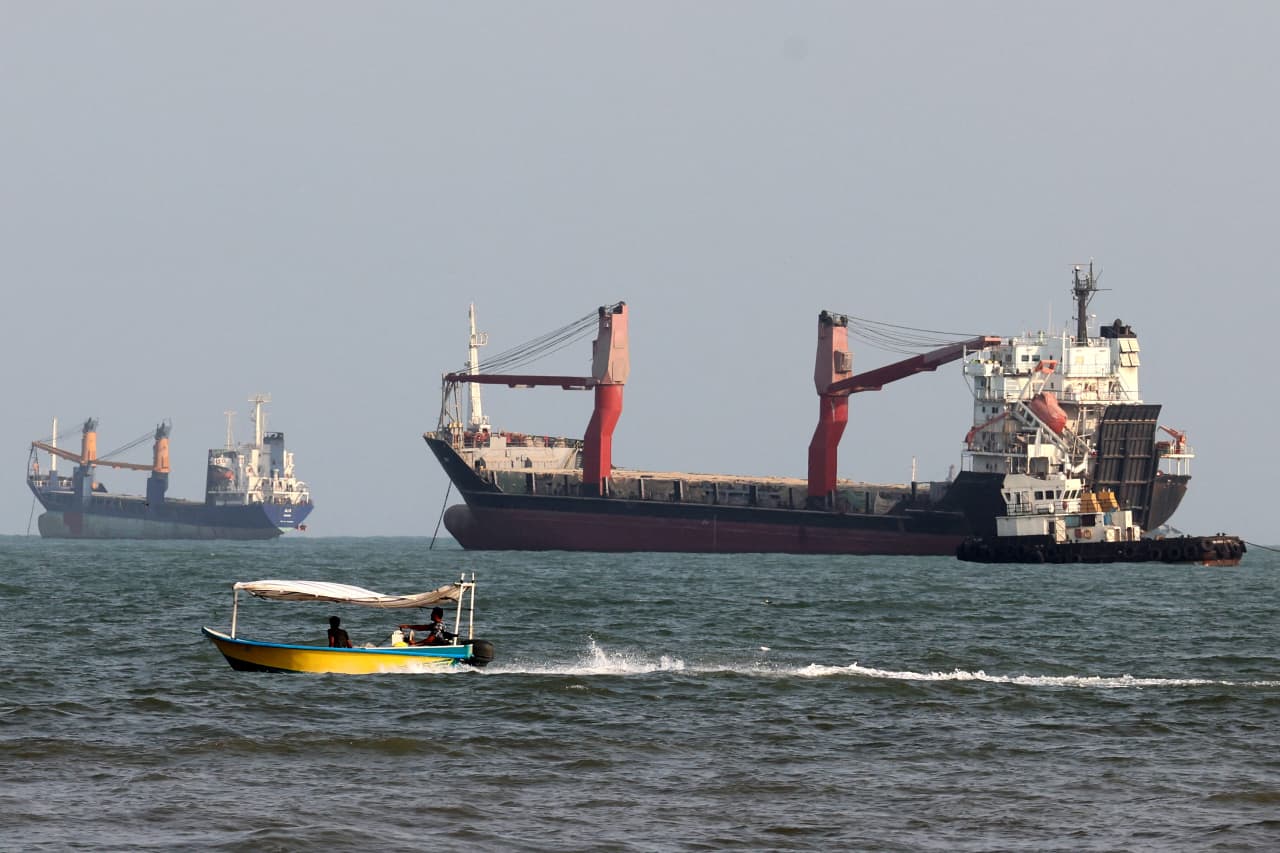
Oil prices on Tuesday settled at their highest levels in nearly six weeks, after the U.S. military said it struck Iranian targets in the Strait of Hormuz in response to Tehran’s overnight attacks on ships transiting the vital waterway.
The surge in global oil prices to a 6-week high following the U.S. strikes on Iranian targets in the Strait of Hormuz is a significant development that highlights the ongoing tensions in the Middle East and their impact on the energy markets. The Strait of Hormuz is a critical waterway for oil exports, with approximately 20% of the world's crude oil passing through it. Any disruption to this route can have a substantial effect on global oil supplies and prices.
The recent attacks and counterattacks between the U.S. and Iran have raised concerns about the potential for further escalation and its impact on the global economy. The oil market has been closely watching the situation, and the price increase reflects the perceived risk of supply disruptions. The current price surge may also be seen as a reaction to the uncertainty and potential for further conflict in the region.
As the situation continues to unfold, traders and investors will be closely watching for any signs of further escalation or de-escalation. Key factors to watch include any potential responses from Iran, the U.S. reaction to future Iranian actions, and the impact on oil production and exports from the region. Additionally, market participants will be monitoring the weekly U.S. crude inventory data and any updates on global economic growth, which could also influence oil prices in the coming days.
Originally reported by marketwatch.com. ExpoNews adds analysis for finance & markets readers.