It’s not just Hormuz. Another war is providing fresh price shocks to fuel and food.
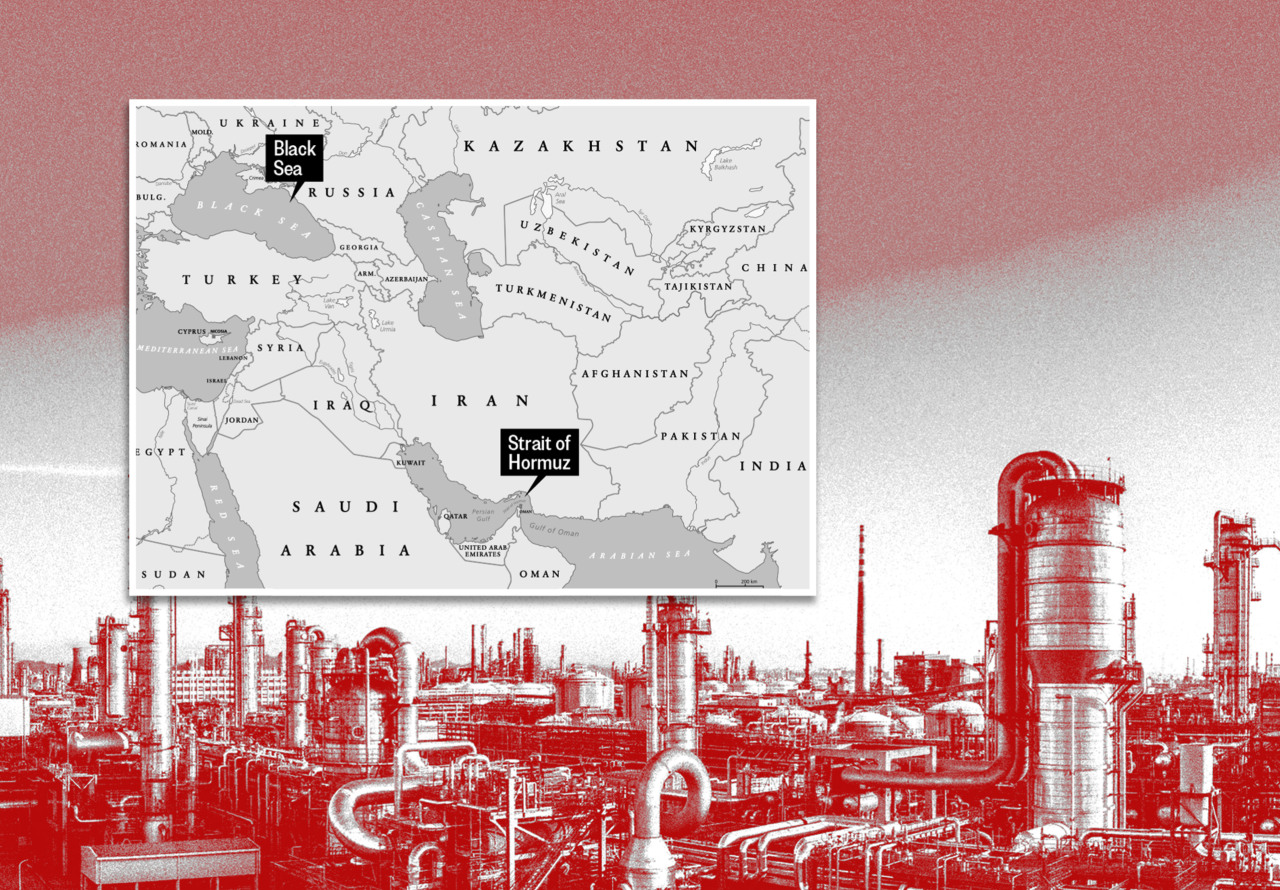
The Middle East conflict overshadows outages in Russia and a ‘massive impact’ on diesel supplies
The escalating conflict in the Middle East is having a ripple effect on global commodity markets, particularly in the fuel and food sectors. The region's significance in the production and transportation of oil and other essential goods makes it a critical area of focus for market analysts. With tensions running high, the threat of supply disruptions is ever-present, and market participants are taking notice.
The impact of the conflict is being felt beyond the Strait of Hormuz, a critical waterway for oil exports, as outages in Russia are compounding the issue. The combined effect of these disruptions is expected to have a "massive impact" on diesel supplies, which could have far-reaching consequences for industries reliant on this fuel. As the situation continues to unfold, market participants will be closely monitoring developments to assess the potential for further price shocks.
Looking ahead, traders and analysts will be watching for signs of escalation or de-escalation in the conflict, as well as any concrete actions taken by major producers and consumers to mitigate the impact on supplies. Key indicators to watch include crude oil prices, diesel futures, and any updates on production and transportation levels from the region. The ability of global markets to absorb these shocks will depend on various factors, including the duration of the conflict and the effectiveness of any measures taken to maintain supply stability.
Originally reported by marketwatch.com. ExpoNews adds analysis for finance & markets readers.