Oil prices rise after U.S. and Saudi Arabia attack Iran-backed militias in Iraq
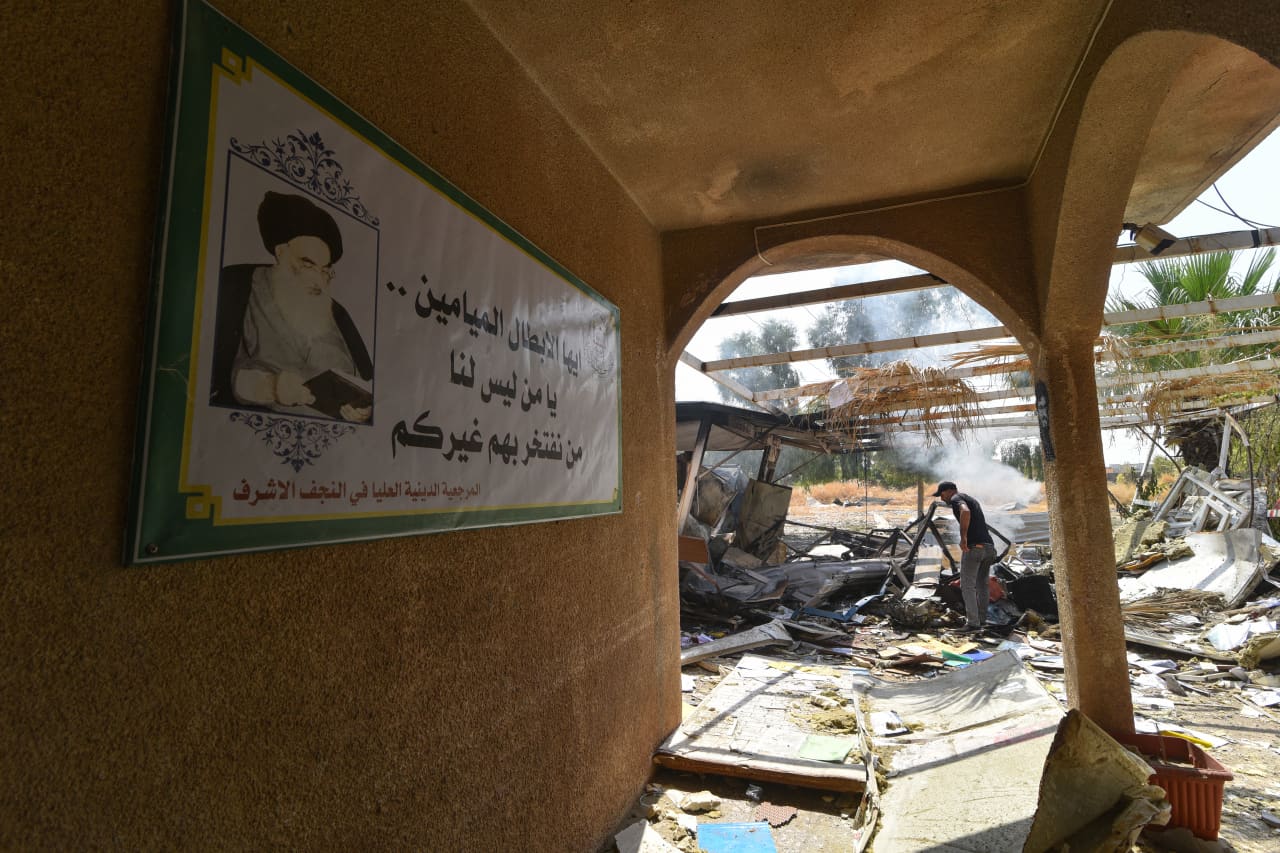
West Texas Intermediate and Brent crude’s front-month contracts climbed on Wednesday on the risk of more fighting.
Oil prices rose on Wednesday following airstrikes by the U.S. and Saudi Arabia targeting Iran-backed militias in Iraq. This development has heightened tensions in the region, raising concerns about potential disruptions to oil supplies. The increase in prices reflects the market's perception of the growing risk of further conflict.
The airstrikes are a significant escalation in the longstanding rivalry between the U.S. and Iran, which has been playing out in various proxy conflicts across the Middle East. As a major oil-producing region, any sustained increase in tensions here could have far-reaching implications for global energy markets. The fact that prices rose on the news suggests that traders are reassessing their expectations for future supply security.
Looking ahead, market participants will be closely watching for any signs of further escalation or retaliation from Iran or its allies. Key developments to monitor include any statements from major oil producers or consumers, as well as any changes in the positioning of U.S. or Iranian military assets. Additionally, traders will be keeping an eye on official crude inventory data, due out later this week, for any signs of shifting supply dynamics.
Originally reported by marketwatch.com. ExpoNews adds analysis for finance & markets readers.